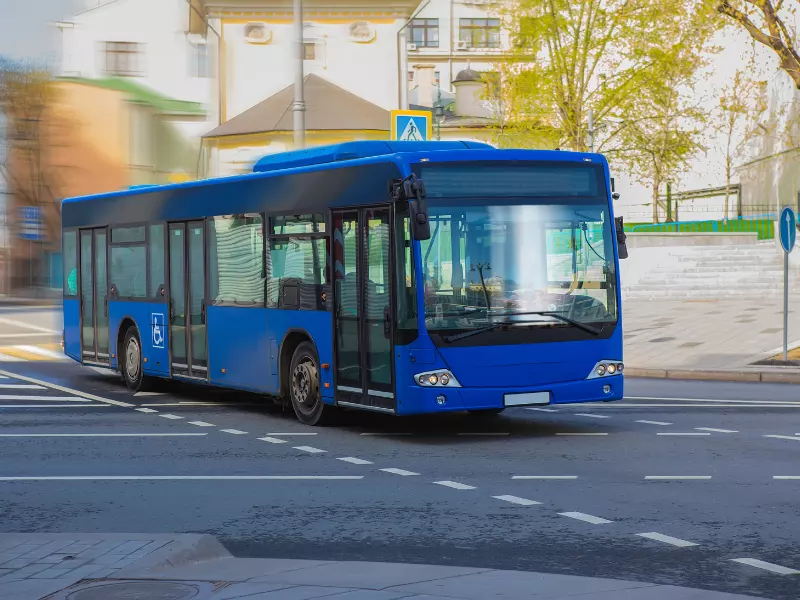
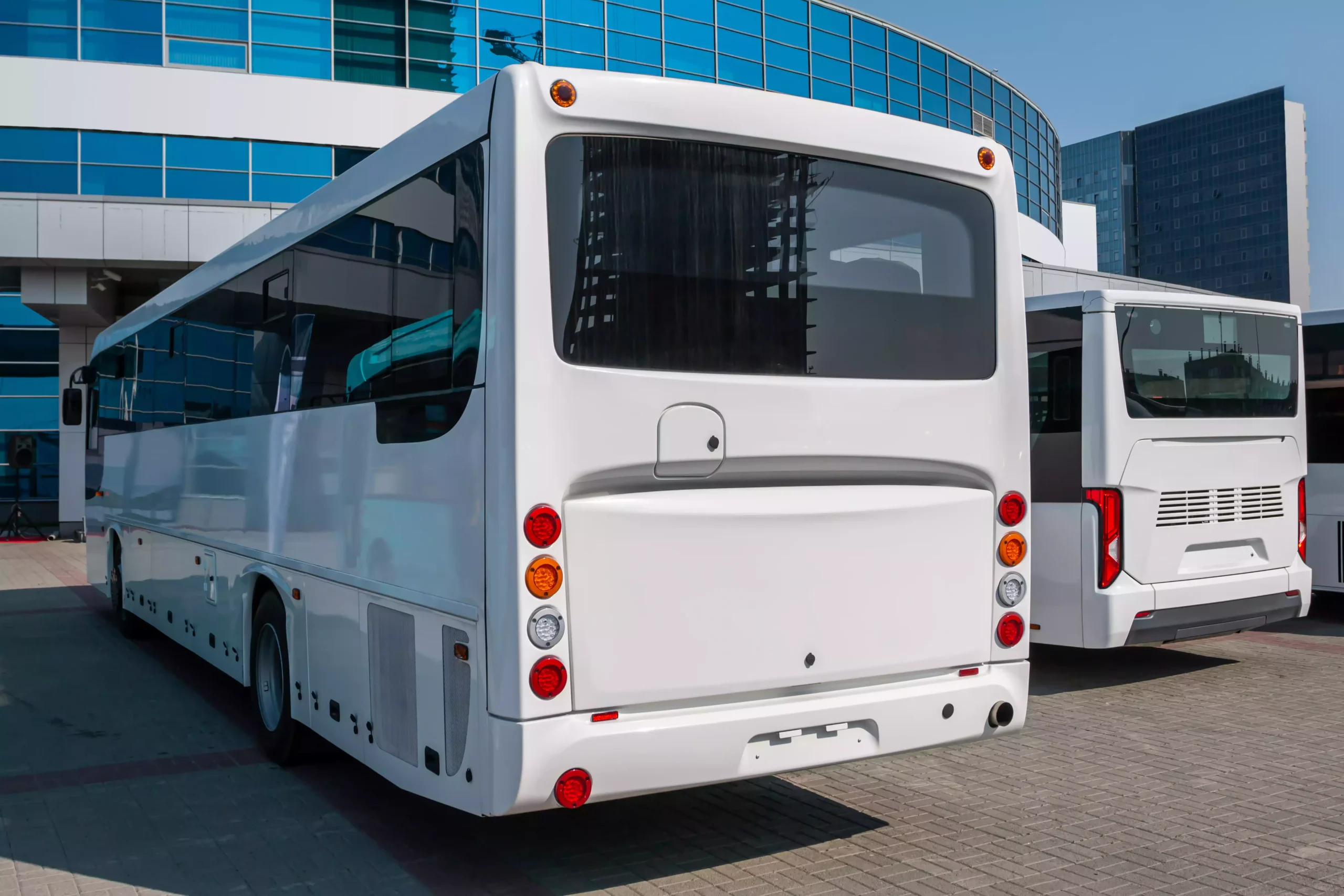
A reliable bus changes how a church operates. It brings elderly members to Sunday service, moves the choir to events, and takes youth groups to camps without renting vehicles every weekend. Making the right choice starts with knowing exactly how many seats on a bus your ministry actually needs — buying too many wastes budget, but buying too few means running two trips instead of one. The problem is cost. A new coach can pass 8,000 to $16,000 before shipping. This guide covers the sizes, real price ranges, inspection points of used church buses for sale in Africa, Southeast Asia, the Middle East, and South America.
Why Churches Choose Used Buses Instead of New Ones
Church buses live an easy life compared with commercial buses. They run a few days per week, mostly on short routes. A bus that already served five or six years still has plenty of working life left for this kind of duty. Buying used means the church pays a fraction of the new price and keeps the savings for ministry work.
There is a second reason. Many used buses exported from China come from tour fleets that retired them early. Mileage is often moderate, the body is straight, and the engine has years of service ahead. For a buyer with a fixed budget, that combination is hard to beat.
What Counts as a Church Bus
No factory builds a special category called “church bus.” Churches buy the same minibuses, coasters, shuttle buses, and coaches that schools and transport companies use. The difference comes later, when the church name and colors go on the body. So when you search for a used church bus, you are really choosing between four vehicle classes. The right one depends on your congregation size, your roads, and your budget.
Match the Bus Size to Your Congregation
| Congregation Need | Recommended Size | Typical Use |
| Small groups, pickup routes | 19 seats | Elderly pickup, staff transport, narrow streets |
| Mid-size congregations | 27–30 seats | Sunday routes, youth groups |
| Larger weekly services | 34–39 seats | Full service transport, school double duty |
| Big churches and events | 45–60 seats | Conventions, choir tours, crusades |
One practical note for rural areas. If your church sits along rough or unpaved roads, pick a front-engine model with higher ground clearance. These handle potholes and dust better than low-floor city designs, and repairs are simpler for local mechanics.
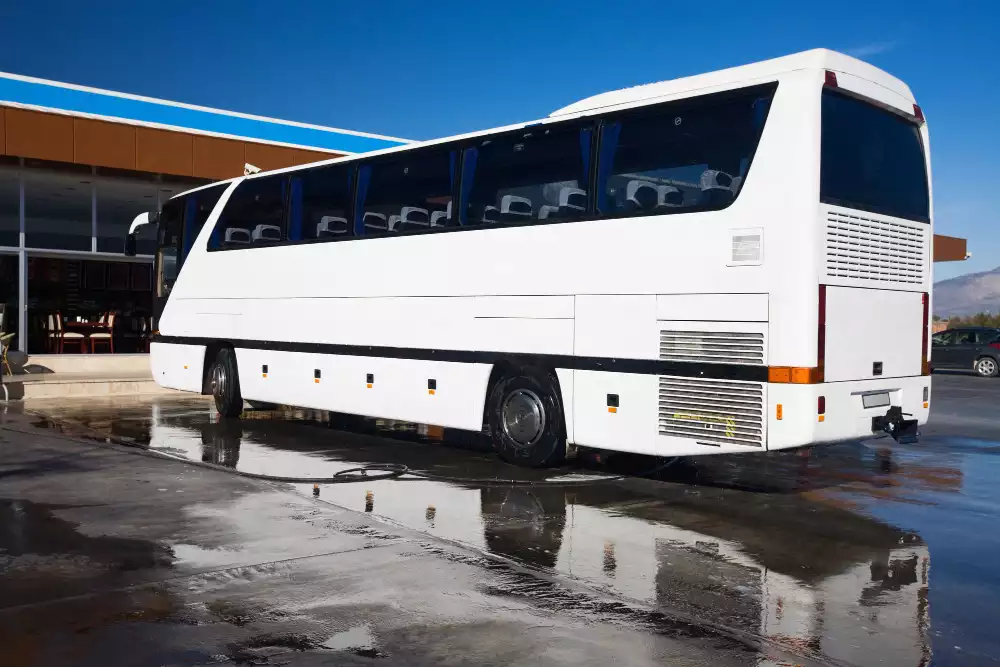
Used Church Bus Prices
The table below shows current price ranges for models that churches request most often. All units are inspected before sale and can be prepared for export.
| Model | Seats | Price Range | Why Churches Pick It |
| Yutong ZK6609D51 | 19 Seats | $8,000–10,000 | Compact, front engine, easy on narrow roads |
| Toyota Coaster | 29 Seats | $8,000–10,000 | Famous durability, parts available everywhere |
| Yutong ZK6752D51 | 30 Seats | $8,000–10,000 | Strong chassis, low running cost |
| Yutong ZK6858H9 | 35 Seats | $8,000–10,000 | Good balance of size and price |
| Yutong ZK6888 | 39 Seats | $8,000–10,000 | High capacity at entry-level money |
| Yutong ZK6107 | 45 Seats | $10,001–13,000 | Coach comfort for longer trips |
| Yutong ZK6115HT1Z | 60 Seats | $13,001–16,000 | Maximum seats per dollar spent |
The final price depends on year, mileage, engine brand, and air conditioning condition. The used Toyota Coaster bus usually holds its value best because every mechanic in Africa knows it. Yutong models cost about the same but give you more seats for the money, and their parts network across Africa has grown fast over the last decade. Remember to keep 20 to 35 percent of your budget aside for ocean freight, insurance, and import duty.
What to Check Before You Send Payment
A used bus is only a bargain if it runs well after arrival. Check these points on every unit, whether in person or through video inspection:
- Engine — Cold start behavior, smoke color, oil leaks, and idle stability
- Chassis and frame — Rust, cracked welds, and signs of accident repair
- Air conditioning — Full cooling output matters in hot climates, so test it under load
- Suspension and brakes — Leaf springs, shock absorbers, brake pad life
- Tires — Matching brands and legal tread depth
- Documents — Export papers, deregistration, and service history where available
Serious exporters will send you a walk-around video, engine sound recordings, and close-up photos on request. You can also hire a third-party agency to verify the unit. Before any deposit, work through a full bus inspection checklist before purchase so nothing gets missed.
Custom Paint and Interior Work for Your Ministry
This is where a standard used bus becomes your church bus. As an exporter with our own workshop, Henan Zhoushenghang prepares each vehicle before it ships. Popular requests from faith-based buyers include:
- Full repaint in your church colors
- Church name, cross, and logo marking on both sides
- Seat layout changes, new seat covers, and interior lighting
- TV and sound system installation for trips
- Openable windows instead of sealed glass for better airflow
- Safety gate installation for child passengers
These jobs are done before loading, so the bus arrives ready for service. There is no need to search for a local paint shop after clearing customs.
How to Import a Church Bus from China
The process is simpler than most first-time buyers expect. Here is the standard flow:
- Share your seat count, budget, and destination port with the supplier
- Receive matching options with photos, videos, and inspection reports
- Sign the contract and pay the deposit
- The workshop completes painting and interior changes
- The bus ships by RoRo vessel or container
- You receive the bill of lading and documents, then clear the bus at your port
Delivery to West African ports usually takes 35 to 50 days after loading. East Africa and Southeast Asia are often faster. Review the current bus shipping cost to Africa before setting your total budget, since freight rates change through the year. If this is your first import, this step-by-step guide on how to buy a bus from China walks through payment terms and paperwork in detail. One cost-saving tip: two churches in the same city can share shipping arrangements and split the logistics cost.
Frequently Asked Questions
1. How much does a used church bus cost?
Most churches spend 10,000 for a 19 to 39 seat unit and 16,000 for a 45 to 60 seat coach. Shipping and duty are extra and vary by country.
2. What is the best used bus for a small church?
A 19-seat minibus or a 29-seat Toyota Coaster. Both are cheap to fuel, easy to park, and simple to repair locally. If your congregation is growing, the 30-seat Yutong ZK6752D51 gives extra room at nearly the same price.
3. Can the seller paint our church name on the bus?
Yes. We repaint the body, add your church name and logo, and adjust the interior before shipping. This service is part of the pre-export preparation.
4. How do I trust the condition without seeing the bus?
Ask for start-up videos, chassis photos, and a third-party inspection. Reputable suppliers welcome outside inspectors.