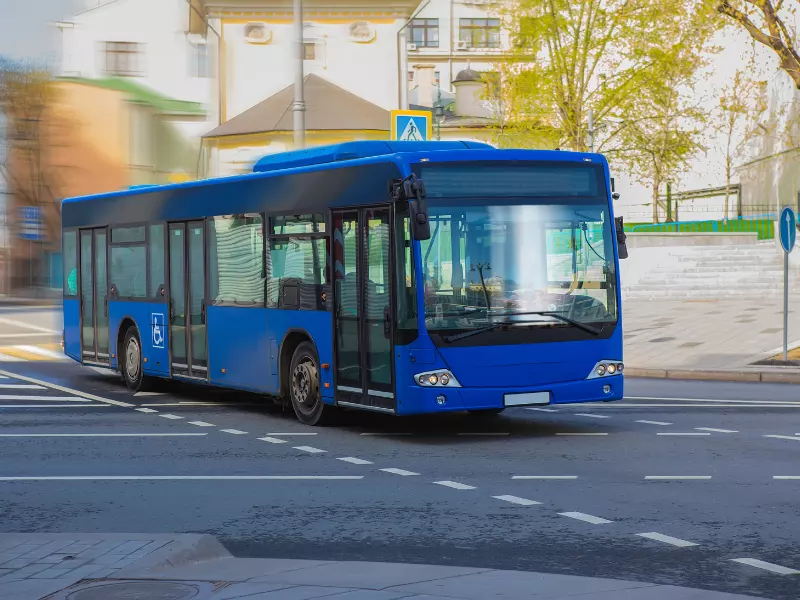
Every coach importer faces the same first decision: RoRo or Flat Rack? Both methods move your bus across the ocean. However, they differ completely in cost structure, risk profile, and port compatibility.
RoRo — Roll-on/Roll-off — lets drivers steer the bus directly onto the vessel. Consequently, it costs less and causes fewer scratches. Flat Rack shipping, by contrast, uses crane-lifted open frames. Therefore, it suits overwidth buses exceeding 2.55 meters or routes without RoRo terminals.
Three hidden costs destroy importer margins most often. First, a wrong CBM calculation can double your freight bill. Second, a standard cargo policy rarely covers buses adequately. Third, port mishandling leaves costly scratches before delivery.
Once you identify the right coach, review the complete logistics framework for shipping buses overseas before finalizing your purchase order.
RoRo vs. Flat Rack: Cost, Risk, and Compatibility
For a deeper dive into vessel types and booking procedures, consult our comprehensive RoRo bus shipping guide covering global shipping lines and peak-season surcharges.
| Dimension | RoRo | Flat Rack |
|---|---|---|
| Suitable Bus Width | ≤ 2.55 m | > 2.55 m |
| Loading Method | Driver steers on board | Crane lifts onto open frame |
| Billing Unit | CBM or Lane Meter | Per 40′ Flat Rack unit |
| Shanghai → Mombasa (12 m bus) | $2,800–$4,500 | $5,500–$8,500 |
| Shanghai → Durban (12 m bus) | $3,500–$5,500 | $6,500–$9,500 |
| Scratch Risk | Low | High |
When a standard RoRo vessel isn’t feasible for an overwidth coach, knowing bus flat rack shipping costs and lashing requirements becomes critical.

How CBM Calculation Works for Buses
CBM = Length × Width × Height. A 12.0 m × 2.55 m × 3.60 m bus equals 110.16 CBM theoretically. However, shipping lines apply a bounding box measurement. They add 8–12% for roof curves and chassis clearance. Therefore, that same bus typically bills at 120–130 CBM.
Additionally, most carriers enforce a minimum of 40–60 CBM per unit. Always measure the bus yourself and compare results with your freight forwarder. One Yutong importer found a 17 CBM discrepancy — saving $544 at $32/CBM after a quick tape-measure check.
Marine Insurance for Buses: What Standard Policies Miss
Many importers choose the cheapest coverage first. That decision frequently causes large, uninsured losses later.
| Level | Coverage | Rate (% of CIF) |
|---|---|---|
| FPA (Free of Particular Average) | Total loss only | 0.15 – 0.25% |
| WA (With Average) | Total loss + partial loss | 0.30 – 0.50% |
| All Risks | Total + partial + scratches + theft | 0.50 – 0.80% |
What All Risks Actually Covers
All Risks protects against wave damage on open RoRo decks. It also covers crane cable slippage during Flat Rack loading. Furthermore, it covers interior damage when lashing straps break mid-voyage.
However, All Risks does not cover mechanical failures. A dead battery preventing self-unloading falls entirely outside coverage. Additionally, component theft requires a separate Theft, Pilferage & Non-Delivery rider.
For a $30,000 bus, All Risks at 0.55% costs only $165. Therefore, this is the last cost item any experienced importer should cut.

Port Ground Handling: Anti-Scratch SOP
Port damage occurs most often during loading and unloading. Following four clear protocols reduces that risk significantly.
- Ramp angle check: Request the captain to keep the RoRo boarding ramp below 8°. Above 10°, a 12-meter bus risks scraping its front bumper on the ramp edge.
- Crane pad protection: Always fit rubber corner protectors at all four sling contact points before Flat Rack crane lifts. Without them, steel cables press permanent marks into the roof.
- Ratchet straps over chains: Use ratchet straps — not chains — on all four D-ring lashing points inside the RoRo hold. Metal-on-metal vibration over 10 days erodes underbody coatings completely.
- Arrival inspection checklist: Before dock workers leave, inspect both bumpers, both mirrors, the roof AC cover, and all lights. Photograph every finding and get the dock supervisor to sign a damage report on the spot — otherwise, insurers will reject your claim.
To benchmark rates on the most active import corridor, review our Africa-specific bus ocean freight guide covering Mombasa, Dar es Salaam, and Durban port charges.

Port-to-Port Rate Reference
| Route | RoRo (12 m Bus) | Flat Rack | Transit Time |
|---|---|---|---|
| Shanghai → Mombasa | $2,800–$4,200 | $5,500–$7,800 | 22–28 days |
| Tianjin → Durban | $3,800–$5,500 | $7,000–$9,500 | 25–32 days |
| Guangzhou → Abidjan | $4,500–$6,800 | $7,500–$11,000 | 30–38 days |
| Shanghai → Dubai | $2,200–$3,500 | $4,500–$6,500 | 16–22 days |
| Tianjin → Karachi | $2,500–$3,800 | $5,000–$7,200 | 18–24 days |
From selecting a verified coach to arranging door-to-port logistics, our end-to-end guide covers every step of how to ship a bus from a Chinese supplier to your destination port.
Frequently Asked Questions
Q: How do shipping lines calculate RoRo freight for a bus?
— Carriers use CBM = Length × Width × Height, then multiply by 1.08–1.12 for the bounding box. Therefore, always verify the final figure with your own tape measure before accepting a freight quote.
Q: Can a 3.2-meter-wide apron bus use a RoRo vessel?
— No. Standard RoRo decks accept widths up to 3.0 meters. Consequently, overwidth airport apron buses require Flat Rack shipping instead.
Q: Must I drain the fuel tank before RoRo shipping?
— Yes. IMO IMDG Code requires fuel levels below one-quarter of tank capacity. Furthermore, the battery must stay connected for the drive-off at the destination port.
Q: Which insurance level do most bus importers choose?
— Most experienced importers select All Risks at 0.5–0.8% of CIF value. A few hundred dollars protects tens of thousands in assets — the math clearly favors full coverage.
Q: How long does ocean freight take from China to West Africa?
— Expect 30–38 days port-to-port, including transshipment calls at Singapore or Colombo. Additionally, allow 3–7 extra days for customs clearance at destination.